
 We don’t mean to be alarmist by any means. The summer is a time for fun and outdoor activities, and we hope you are as excited as we are! The only reason why we want to bring up your air conditioner is in preparation for the hot temperatures ahead. Things will get hot and uncomfortable at some point, and the better a homeowner can alleviate these hot temperatures, the happier and more fun their summer will probably be.
So, what exactly can you do to alleviate those temperatures and keep things comfortable in your home? Well, that’s what this post is for!
We’ve got a checklist of a few things that will keep your air conditioner in good shape for the coming summer. Just remember that tips and tricks can only go so far–you might end up requiring air conditioning service in Fort Wayne, IN. This is something that we can help you with!
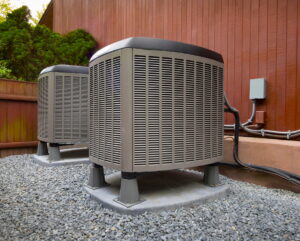 It’s the season when homeowners all across the country are taking their air conditioning systems out of retirement and into action. Temperatures are only bound to increase, so this need is only going to grow with time. This is both a time for excitement since the seasons are changing and the flowers are budding, but also anxiety as old air conditioner problems come back to haunt us. That
 This is a pretty vague question. What would you say, as a business owner, to someone asking “how expensive is it to run a business?” Or what would you say to someone that says “how expensive is it to buy a house?” The answers to these questions can vary greatly and when you’re looking for accurate information, one can get lost in the weeds pretty easily. For this blog post, we’re going to speak generally because every commercial heating system and commercial space is different. However, there are a few things in common with all of them that either cause the price of
  That probably sounds like a tall task, right? Who determines what the “right” temperature is in your home? This is usually where your friends or family would all give their input on how they set their thermostat, and it would lead to a never-ending conversation about the “right” temperature for the perfect home. However, there’s a little bit of truth in this scenario that we would like to explore–mainly the fact that some temperatures are more efficient than others.
 What’s your next commercial project? Are you excited to open up that new area for additional space? Or perhaps you’re finally putting the finishing touches on a new bathroom that your customers and employees will be able to enjoy? Construction projects are always opportunities to expand your business and access new customers that you couldn’t before. However, construction projects don’t just come with one price tag, they come with several costs that we’re going to talk about today.
 When talking about the condition of your heating system this year, we need to also include the setting on your thermostat. The higher the temperature, the harder your furnace has to work and the more likely it is that you’ll need
 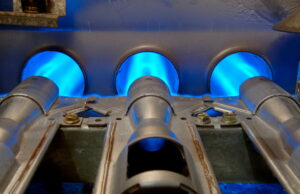 Some of our readers might be a little puzzled by the title of this blog. How can you start thinking about your next heating installation when you’re still so preoccupied on the one you have? When is a good time to invest in a new heating system?
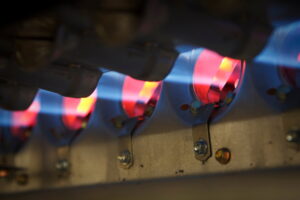 As long as there’s anything but cold air coming from your air vents, you’re probably going to be fine, right? Well, not exactly. One of the first signs that a furnace exhibits before it starts to shut down or suffer from an efficiency problem, is it sends lukewarm air through your vents. There are a lot of reasons this could happen, but we assure you that none of them are good.
 Many homeowners think that their are two exclusive methods to heating a home—gas and electric. While this is mostly right, there’s a little bit of a caveat to this. While electric furnaces and heating systems only use electricity, it’s not true that gas furnaces don’t use a tiny bit of electricity to run effectively. Most modern furnaces are built with electrical ignition systems, and they’re also built with high-tech electrical components that help them run more efficiently. These require electricity, but no more electricity than that of a small device like a smartphone.